

Stony Brook Researchers Develop a Blueprint for Self-Improving AI
 ,
,  ,
, 
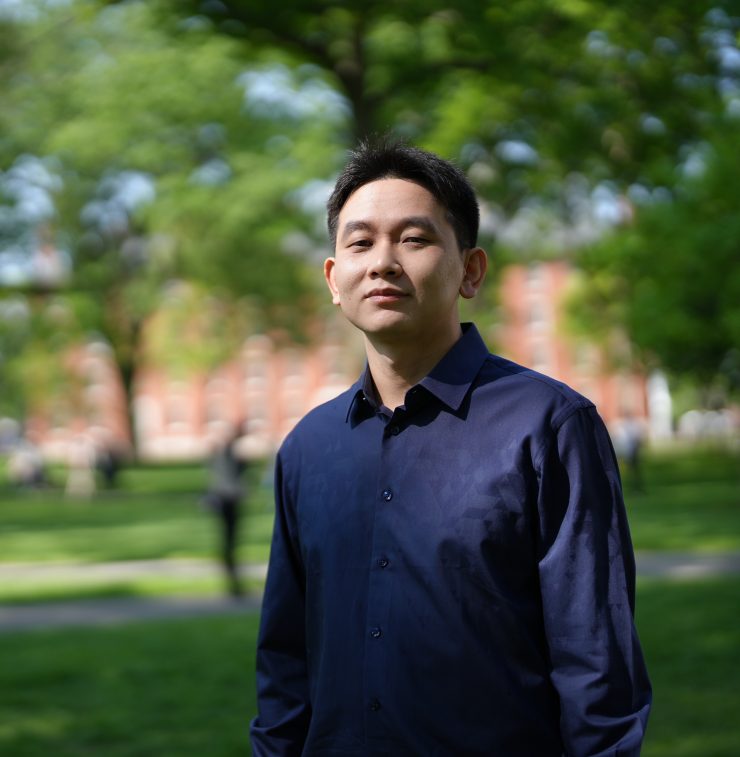
New research, certified by the Transactions on Machine Learning Research journal, presents a comprehensive framework for how large language models can increasingly improve themselves.
Stony Brook, NY, September 22, 2026 - Human expertise and engineering have played a central role in shaping the large language models we use today. People wrote training examples, ranked model responses, corrected errors, and provided the knowledge and judgment needed to guide model development.
AI Researcher Yi Liu Leads NSF Project on Molecular Design and Advances Battery Design with BNL
 ,
,  ,
, 
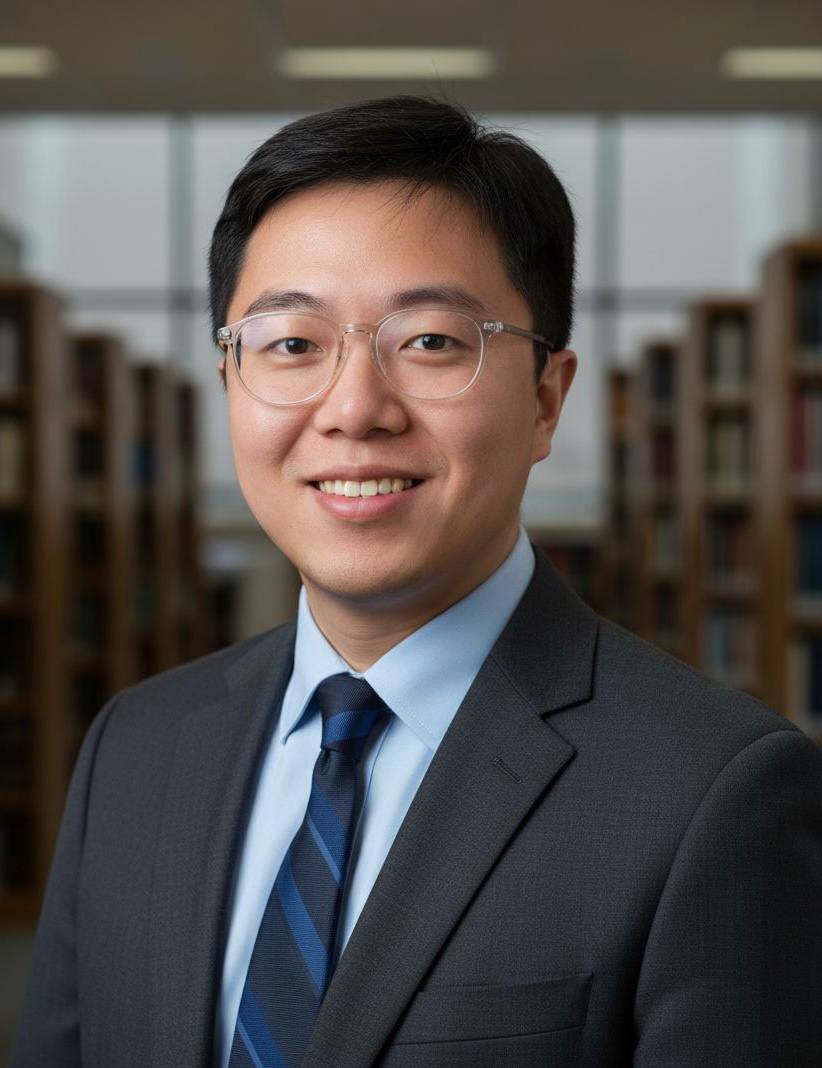
How can AI help scientists design better molecules and next-generation batteries? Stony Brook researcher Yi Liu is tackling this question through two related efforts: a three-year, $622,471 NSF project rebuilding generative AI to create new molecules, and a collaborative project with BNL researchers to explore AI and ML approaches for the design and optimization of battery electrolytes.
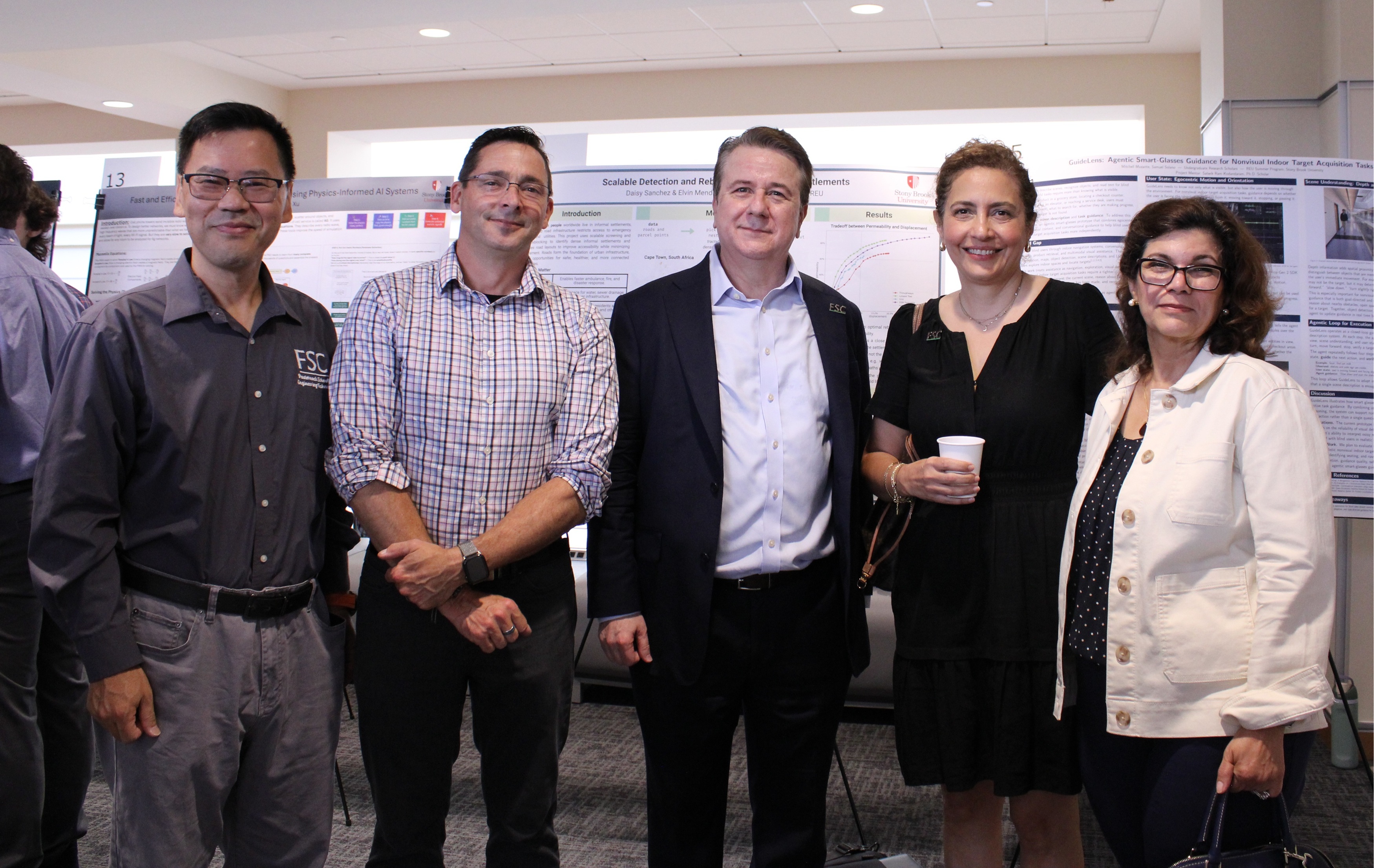
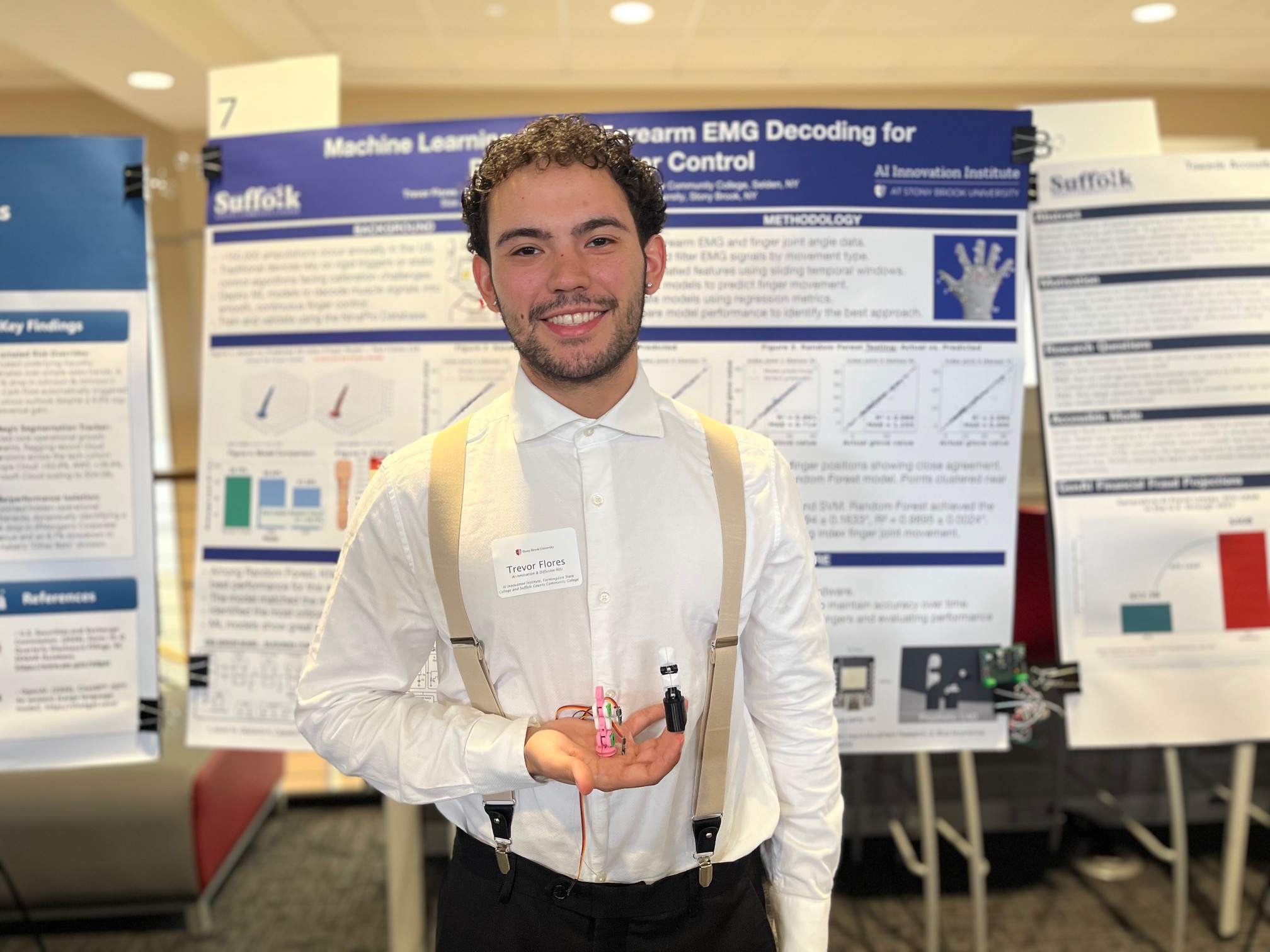
Long Island Undergraduates Showcase Cutting-edge AI Research at Stony Brook’s 2026 REU Summer Symposium
 ,
,  ,
,  ,
,  ,
, 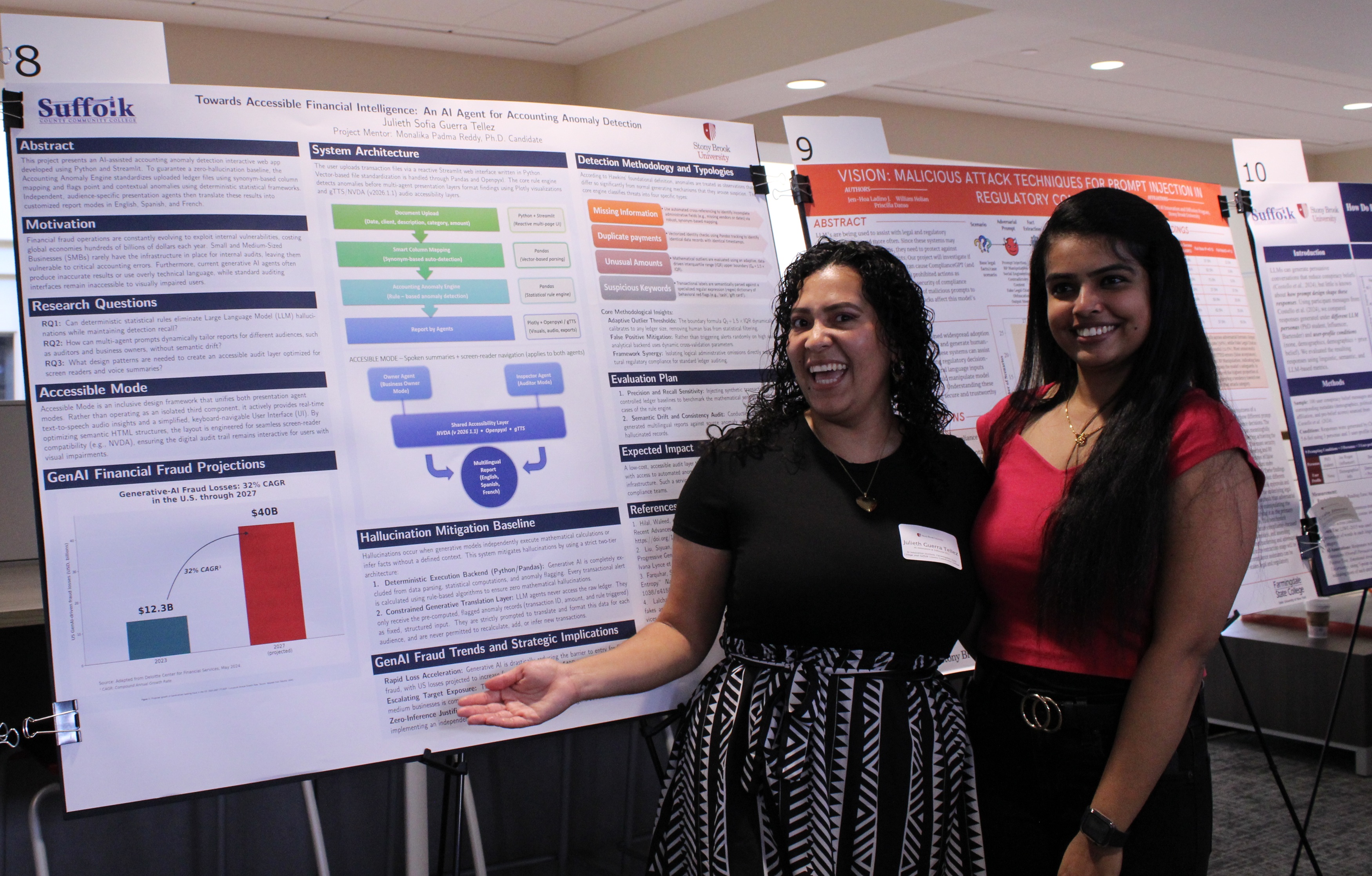
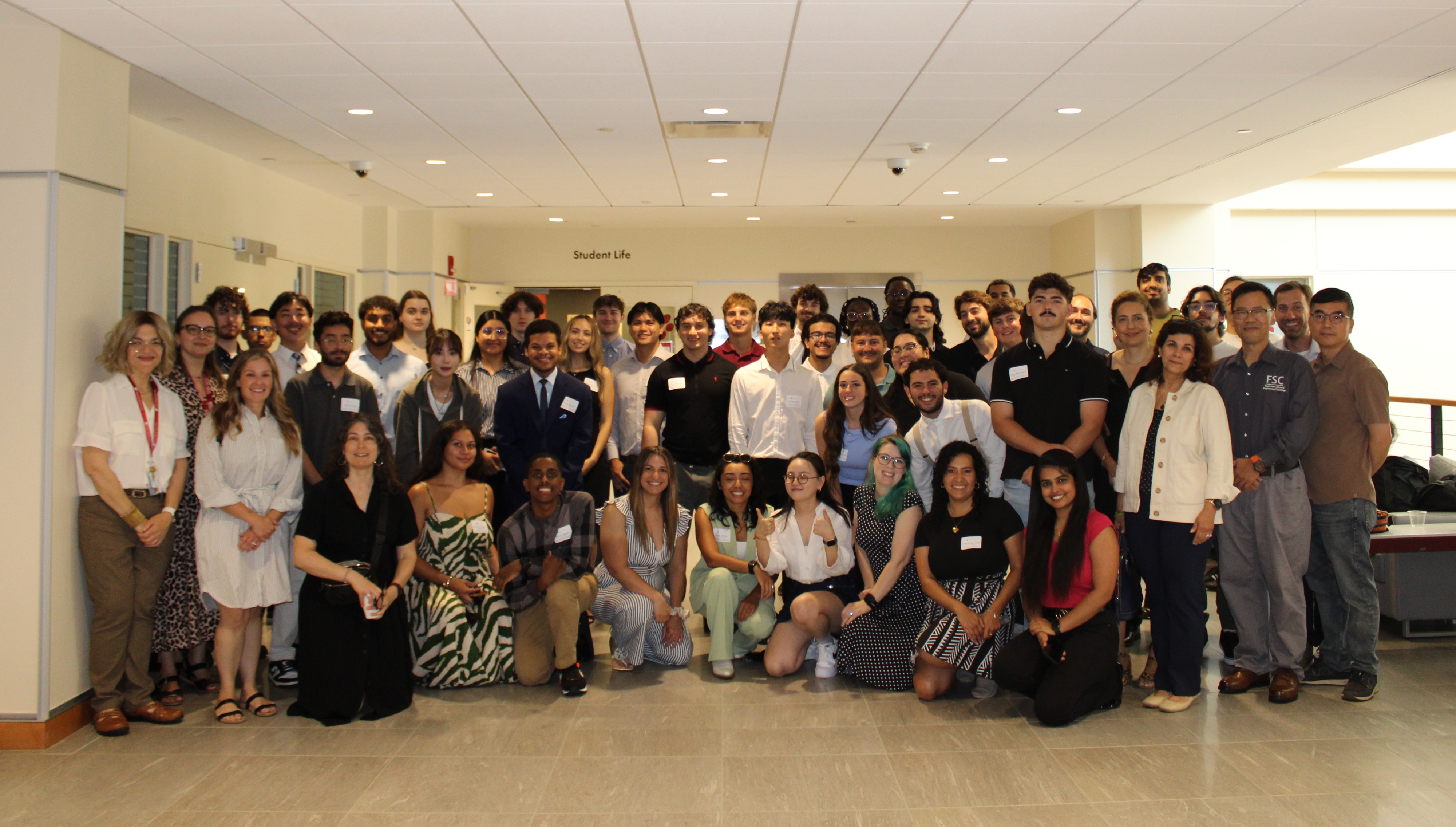
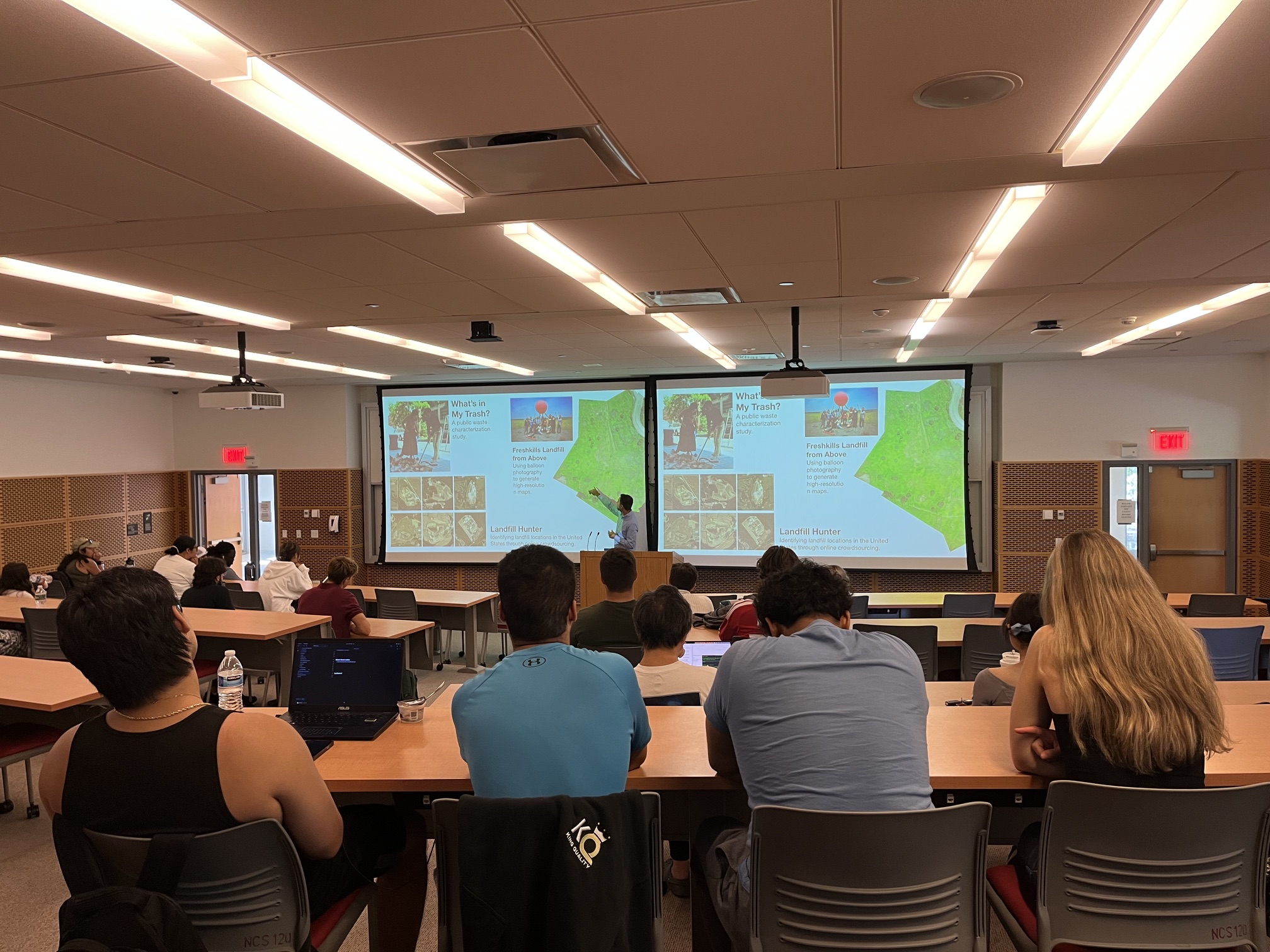
Forty undergraduate students from Farmingdale State College and Suffolk County Community College shared their work from Stony Brook AI Innovation Institute’s 6-week REU program in AI Innovation & Diffusion.