Artificial intelligence transforms daily life a little more every day. Healthcare, business, science, the arts, and every other discipline are facing new ethical and environmental challenges as they grapple with the new capabilities and possibilities that come with artificial intelligence.

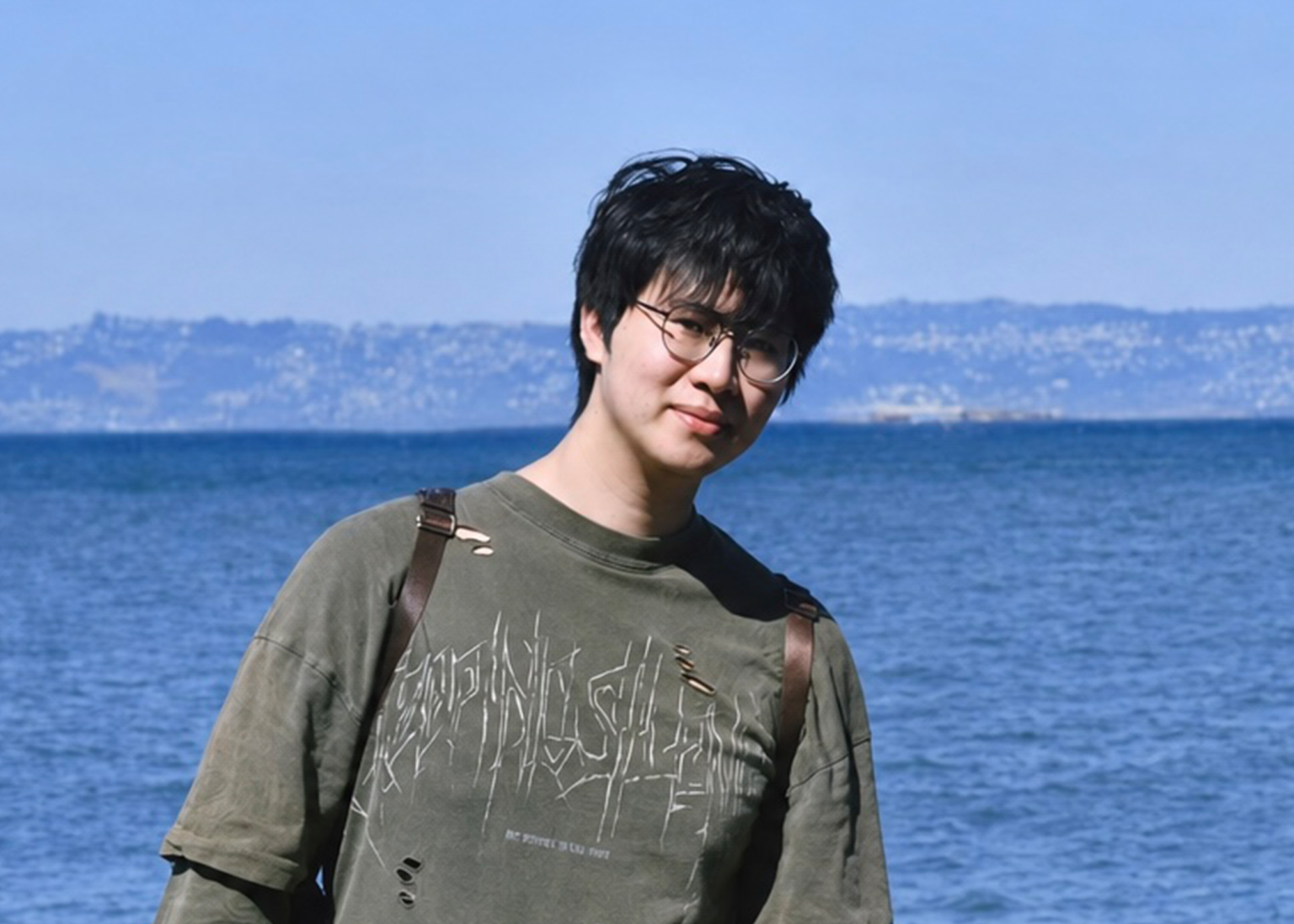
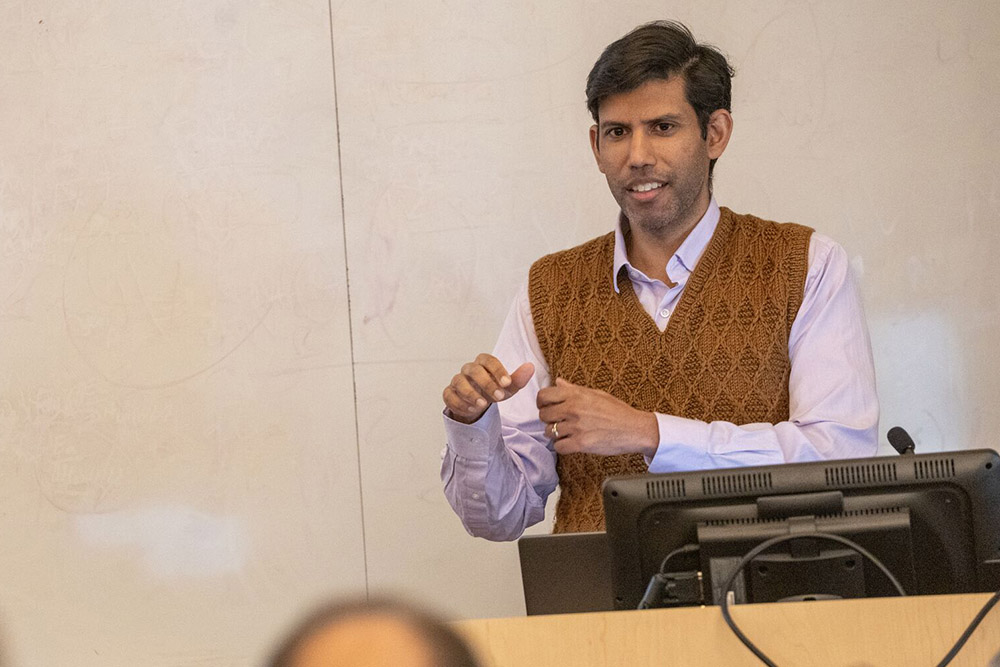
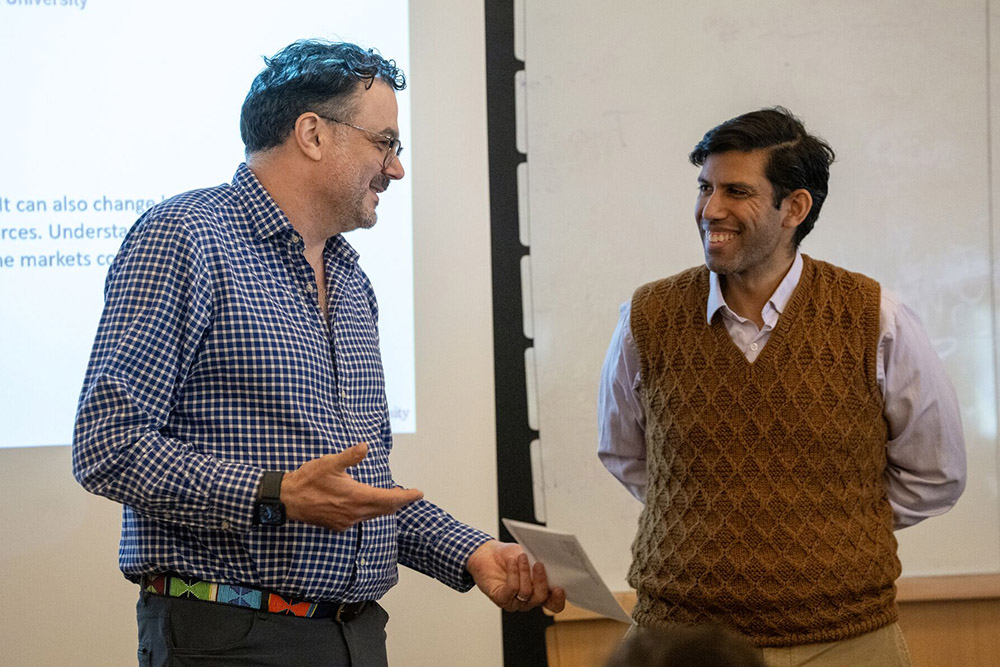
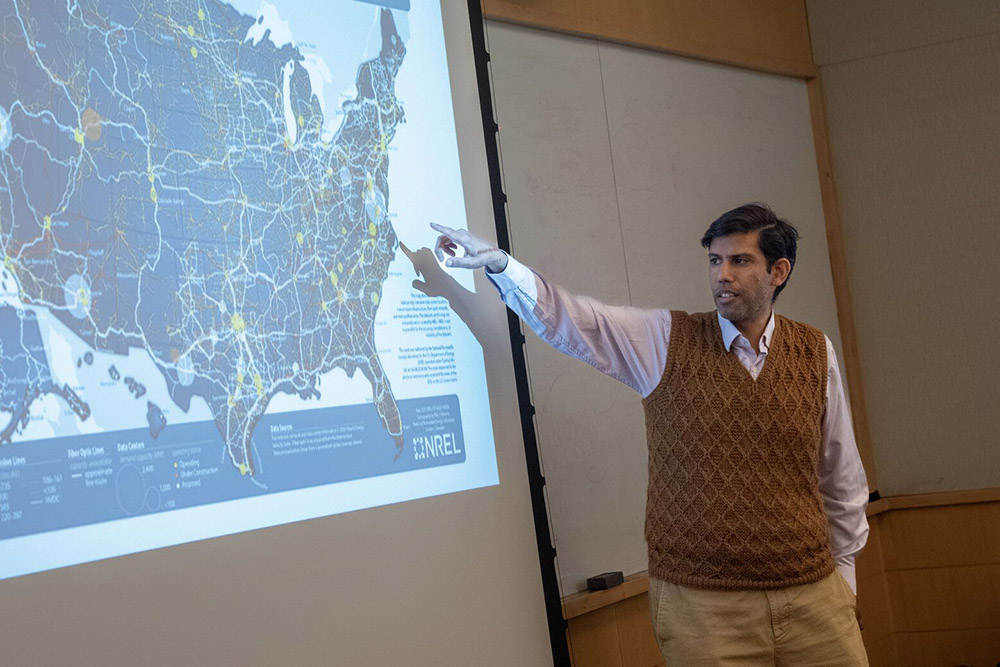
In a far-reaching discussion titled “The Physical Economy of Intelligence: Marketcraft, Data Centers and Climate,” Lav Varshney, Della Pietra Infinity Professor and Inaugural Director of Stony Brook University’s AI Innovation Institute, discussed the puzzles, pitfalls and possibilities of an increasingly AI-reliant world. 

New research, certified by the Transactions on Machine Learning Research journal, presents a comprehensive framework for how large language models can increasingly improve themselves.

Stony Brook, NY, September 22, 2026 - Human expertise and engineering have played a central role in shaping the large language models we use today. People wrote training examples, ranked model responses, corrected errors, and provided the knowledge and judgment needed to guide model development.

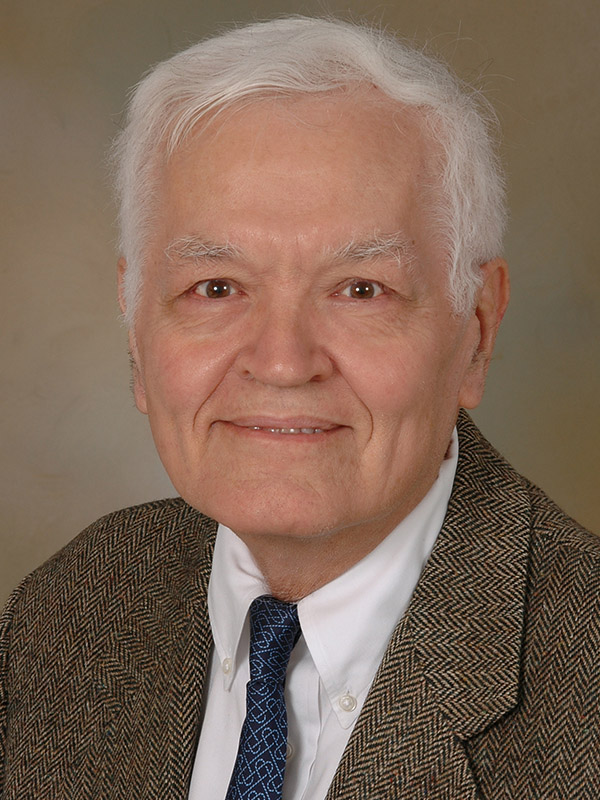
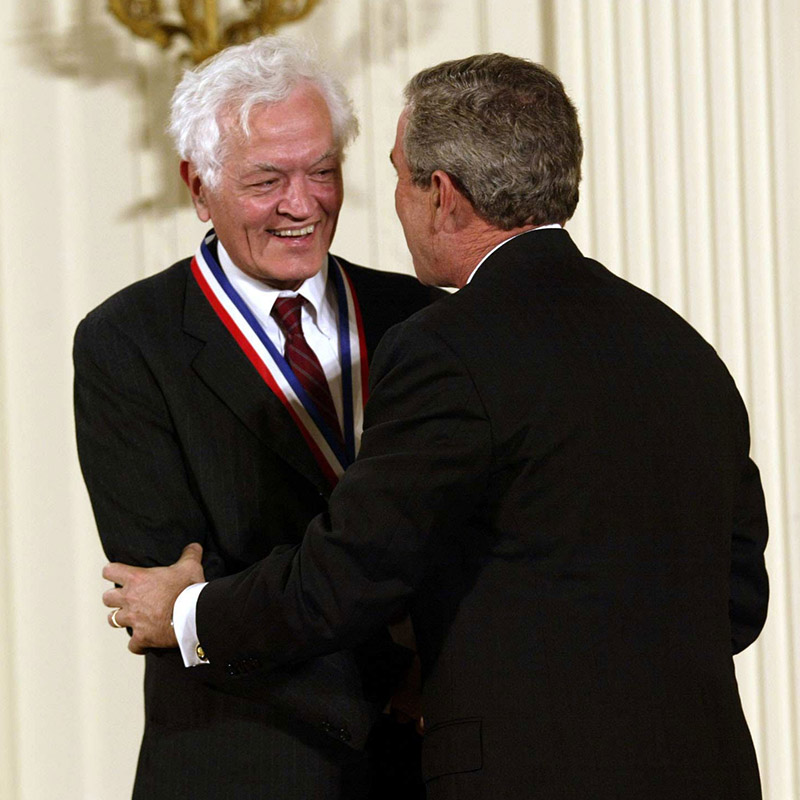
For James Glimm, Distinguished Professor in the Department of Applied Mathematics and Statistics at Stony Brook University, creative ideas come gradually and at unexpected times. 

“I see the idea like a cloud in the distance and then it takes shape,” said Glimm, who at 92 still works whenever an idea strikes, even late into the night. “Thomas Edison slept a little and worked and slept a little and worked,” he said. 

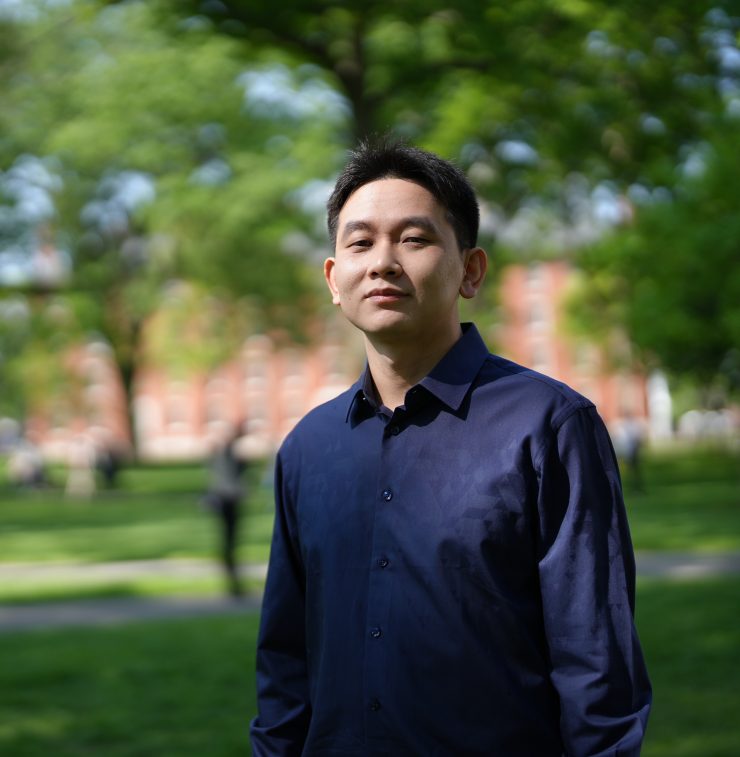
How can AI help scientists design better molecules and next-generation batteries? Stony Brook researcher Yi Liu is tackling this question through two related efforts: a three-year, $622,471 NSF project rebuilding generative AI to create new molecules, and a collaborative project with BNL researchers to explore AI and ML approaches for the design and optimization of battery electrolytes.