
The International Conference on Machine Learning (ICML) is the premier gathering of professionals dedicated to the advancement of the branch of artificial intelligence known as machine learning.

ICML is globally renowned for presenting and publishing cutting-edge research on all aspects of machine learning used in closely related areas like artificial intelligence, statistics and data science, as well as important application areas such as machine vision, computational biology, speech recognition, and robotics.

ICML is one of the fastest growing artificial intelligence conferences in the world. Participants at ICML span a wide range of backgrounds, from academic and industrial researchers, to entrepreneurs and engineers, to graduate students and postdocs.


For more information and registration, visit the official website.
Over the past decade, Artificial Intelligence (AI) has made stunning advances, from mastering language to solving the structure of proteins. These breakthroughs arise from more than forty years of work in neural networks, where ideas from neuroscience have inspired solutions in AI. In this lecture, Anthony Zador, MD, PhD, will explore how reverse engineering the brain's computations has driven progress in both fields, and how this back-and-forth between neuroscience and AI is set to grow even stronger -- with brain-inspired designs driving new AI advances while AI tools transform our understanding of how the brain works.

Speaker:
Dr. Zador works at the intersection of neuroscience and artificial intelligence. He is the Alle Davis Harris Professor of Biology at Cold Spring Harbor Laboratory, where he served as Chair of Neuroscience. He was named one of Foreign Policy's 100 Leading Global Thinkers and is a recipient of the Brain Research Foundation Fellowship, the Gill Symposium Transformative Investigator Award, and the Allen Distinguished Investigator Award.

Watch online at stonybrook.edu/live
Talk by Zhenhua Liu to be followed by AI Institute updates


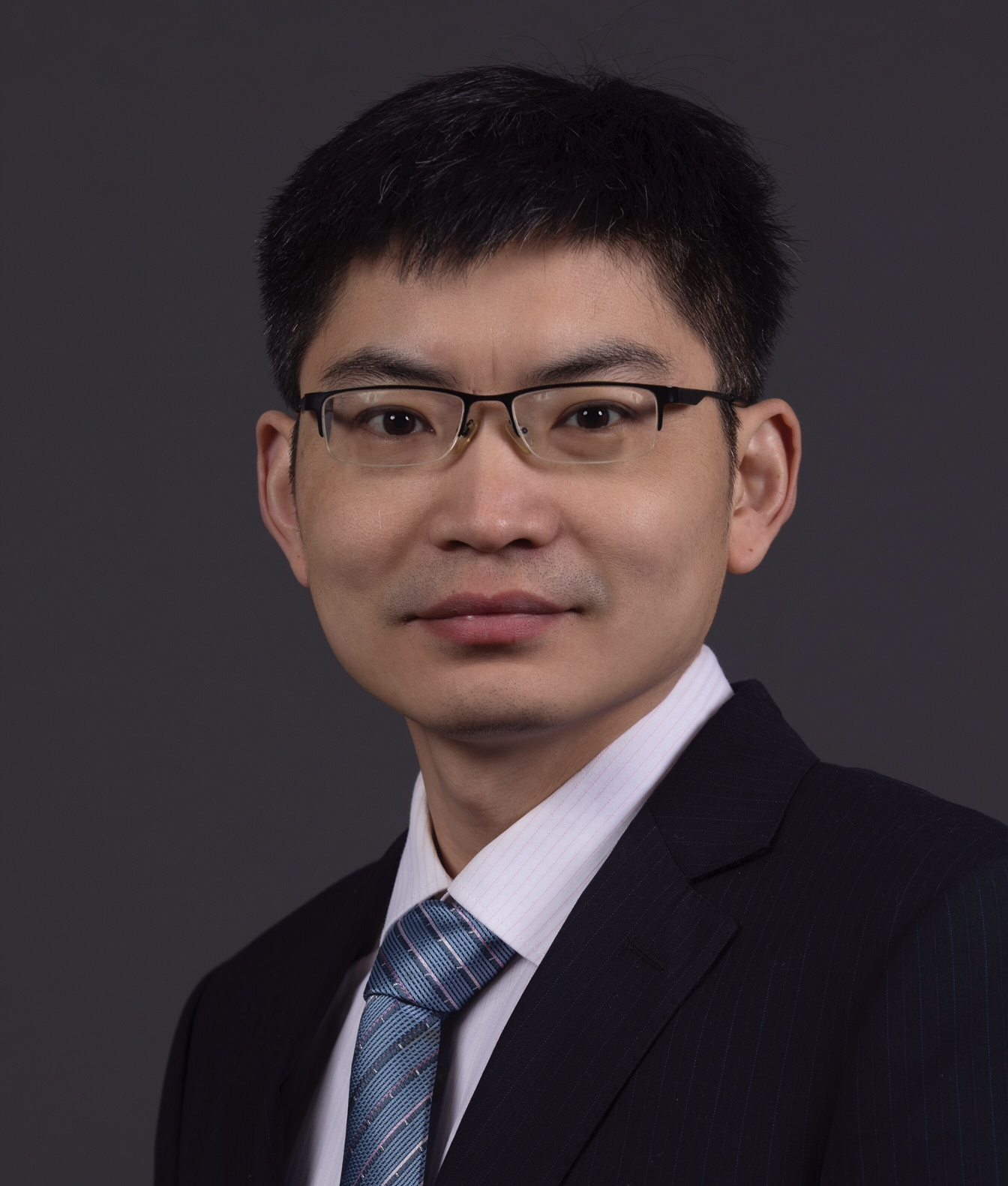
Abstract: Decision making with uncertainty has been studied in multiple communities extensively. Recently, online optimization has gained popularity partially because of its promising performance guarantees by incorporating predictions. In this talk, I will provide an overview of our work on algorithm designs for online optimization and its applications. Then, I will talk about our recent work in ACM Sigmetrics 2019 on choosing predictions and control algorithms simultaneously and dynamically. Finally, I will discuss some ongoing efforts and collaboration opportunities.

Bio: Zhenhua Liu is currently an assistant professor in the Department of Applied Mathematics and Statistics at Stony Brook University. He is also affiliated with the Department of Computer Science, the AI Institute and the Smart Energy Technology Cluster. He received his PhD degree in Computer Science from California Institute of Technology. His current research interests include cloud computing, online optimization and learning, smart grid, market design and distributed control. His research combines rigorous analysis and system design, and goes from theory, to prototype, and eventually to industry to make real impacts.
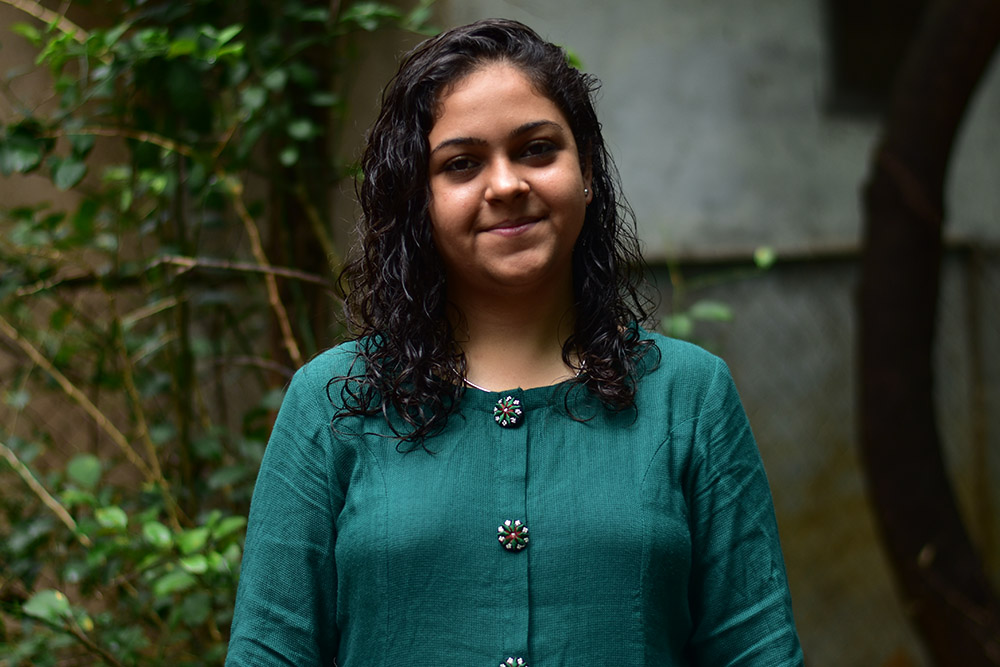
Abstract: As computing and society become increasingly inseparable, we confront a fundamental design challenge: creating AI systems where human-machine interactions authentically embody our diverse values while thoughtfully evolving our social relationships. The recursive nature of these interactions--where human behavior shapes technology design and technological affordances influence human behavior--presents both profound risks and transformative opportunities as we reimagine our collective digital future. What interaction patterns emerge when algorithmic systems become active participants in societal decision-making? How can we design human-AI collaboration that ensures algorithmic systems align with diverse community values while serving the public interest? Through Public Interest AI, we explore a Pluralistic Design Language that creates interaction models for value-sensitive algorithmic ecosystems, strengthening AI-society alignment in both technology design and policy development. Through collaborative interaction with communities, we create systems that augment human capabilities while embedding ethical principles into the sociotechnical design of AI itself--ultimately redefining possibilities at the intersection of technology, policy, and society. This talk will examine the challenges of designing meaningful human-AI systems within social contexts through real-world applications that combine value-sensitive interaction design, human-inspired computing, and societal development to create technologies that advance our shared commitment to the public good.

Bio: Neil Gaikwad is an Assistant Professor of Data Science and Computer Science at UNC Chapel Hill. Additionally, he serves on the Faculty Advisory Council of the UNC Parr Center for Ethics and is a Fellow at the MIT Dalai Lama Center for Ethics and Transformative Values. Neil holds a Ph.D. in Society-Centered AI from MIT and is an alumnus of Carnegie Mellon University's School of Computer Science. Neil's scholarship, published in prominent AI and HCI conferences, has been recognized with several prestigious honors, including the Facebook Research Fellowship, UIST Best Paper Honorable Mention, MIT Engineering Fellowship, Human Rights & Technology Fellowship, Graduate Teaching Award, and the Karl Taylor Compton Prize, MIT's highest student honor. He has been recognized as a Rising Star by both Stanford University and the University of Chicago. Translating research into real-world impact, Neil is a dedicated educator and mentor who has taught over 500 students throughout his career. He has guided more than 30 students to publish influential papers on AI fairness, secure prestigious fellowships, and contribute to shaping AI policy through public interest research. Neil is also the founder of the AI Policy Global Initiative, which has successfully brought together academia, industry, government, and communities to address critical challenges in AI governance and develop collaborative approaches to responsible AI.

Location: Old Computer Science, room 1310
  • CEWIT's 6th annual hackathon sponsored by Major League Hacking, Hack@CEWIT2022, is taking place virtually on February 18-20, 2022. This year's theme is Hacking Into the Metaverse and will focus on NFT's, Blockchain, Crypto, and the Metaverse. To find out more about the event, mentoring, sponsoring, or to register, visit:

  • https://www.cewit.org/programs/events/hack.php

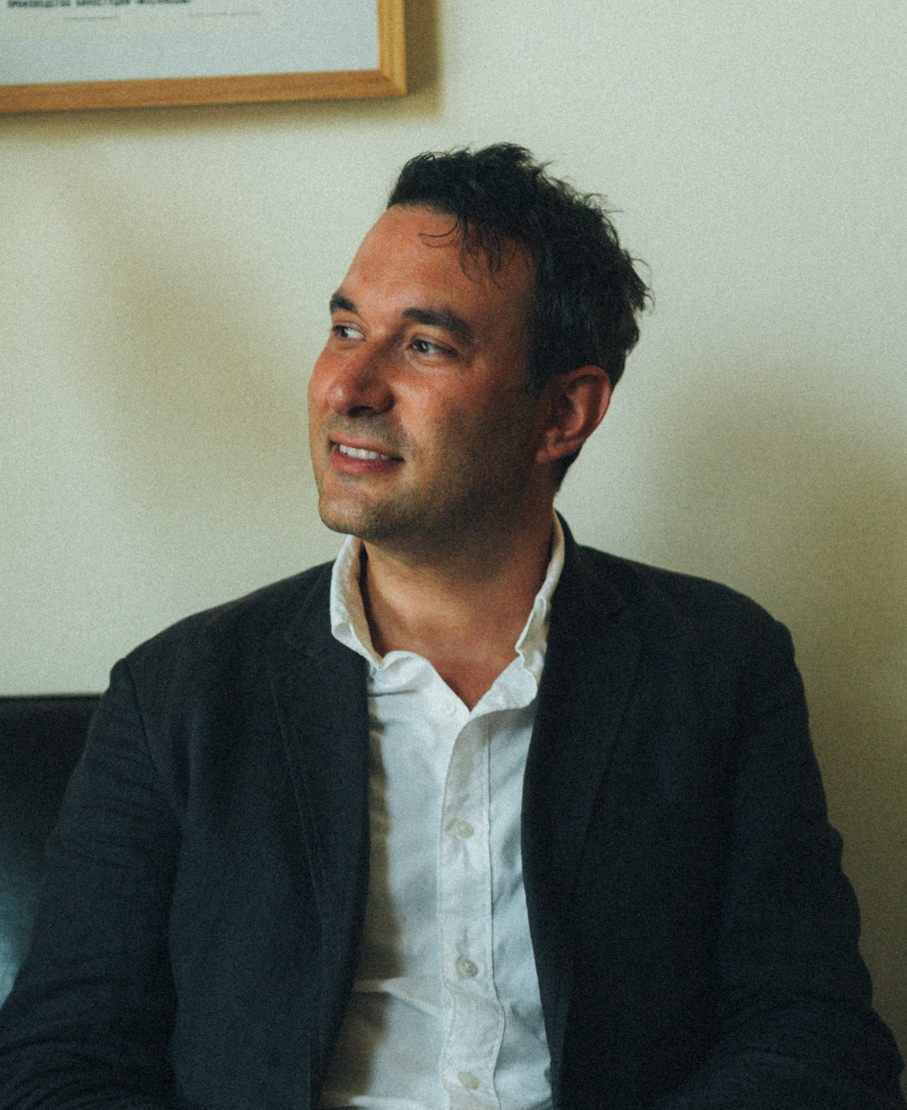
Abstract: Modern technologies enable enhanced integrity and privacy guarantees not just for data, but also for computation. This is perhaps most emphatically demonstrated by the steady rise of zero-knowledge proofs, which are short certificates that attest to the correctness of computations (e.g., an age verification check) without revealing any secret inputs (e.g., the birth date on a digital ID). This subtly powerful technology enables anonymous credentials, privacy-preserving machine learning, anonymous blockchains, and much more--making the question of efficient zero-knowledge proofs fundamental to modern secure systems. Echoing Moore's law for computing, zero-knowledge proofs have improved on this front by ten orders of magnitude in the last two decades. In this talk, I will discuss our work on overcoming a key bottleneck that has emerged in this development: memory efficiency.

Speaker: Abhiram Kothapalli is a postdoctoral scholar at the University of California, Berkeley, hosted by Sanjam Garg. He is a recent graduate of Carnegie Mellon University, where he earned his Ph.D. in Computer Science, advised by Bryan Parno. Previously, he was at the University of Illinois at Urbana-Champaign, where he earned his B.S. in Computer Science and B.S. in Mathematics. Kothapalli's research develops cryptographic techniques aimed at scaling expressive privacy and integrity guarantees across the internet.

Location: NCS 120

Abstract: Pretraining vision encoders with self-supervision (SSL) leads to stronger representations that excel across diverse downstream tasks. One of the key factors enabling self-supervision is extracting multiple views of the same scene to formulate either: 1) View-invariant pretraining (DINO, SimCLR, iBOT), where the objective is predicting the same representation for different views of the scene; or 2) Cross-view pretraining (cross-view Masked Autoencoders), where the objective is predicting missing parts of one view using other views. For extracting multiple views, view-invariant methods rely on a combination of handcrafted augmentations (random cropping, color jittering, gaussian blur, etc.) of the same image, whereas cross-view pretraining methods rely on image cropping or video frames. In this work, we present methods to effectively incorporate synthetic views from diffusion models into SSL training.
For view-invariant pretraining, we introduce Gen-SIS, a method that leverages the ability of diffusion models to generate interpolated images through interpolation in conditioning space. We introduce a disentanglement pretext task: disentangling two source images from an interpolated synthetic image. This disentanglement task, in addition to vanilla single-source generative augmentation for view extraction, improves visual pretraining of various view-invariant methods (DINO, SimCLR, iBOT).
For cross-view pretraining, we introduce CDG-MAE, a novel cross-view masked autoencoder (MAE) based method that uses diverse synthetic views generated from static images via an image-conditioned diffusion model to learn dense correspondences. We present a quantitative method to evaluate the local and global consistency of the generated views to choose the right diffusion model for cross-view pretraining. These generated views exhibit substantial changes in pose and perspective, providing a rich training signal that overcomes the limitations of video (expensive) and crop-based (less variation) methods. CDG-MAE substantially narrows the gap to video-based MAE methods on video label propagation tasks while maintaining the data advantages of image-only MAEs.

Speaker: Varun Belagali

Location: NCS 120
Zoom: https://stonybrook.zoom.us/j/93647452432?pwd=hZaX7LXCAD8KPHWYE1Afw2sDI3owpv.1

You are cordially invited to attend the biweekly Brookhaven AI Mixer (BAM). BAM includes one short talk on AI research happening at BNL, followed by an open mixer over coffee and snacks for everyone to network and discuss all things AI. The first half hour will consist of presentations that will be available via ZOOM, and the second half hour will be for in person only networking.

Join us every other Tuesday at noon in CDSD's Training Room (building 725, 2nd floor) to learn about interesting AI methods and applications, engage with potential collaborators, prepare for pending FASST funding calls, and build a community of AI for Science at BNL.

At our Oct 7 Mixer, BNL's newly minted interim director, John Hill will be present to give opening remarks and kick us off on a new year of impactful scientific AI collaborations.

Abstract: Weather extremes and strong seasonal-to- subseasonal variability pose growing challenges to urban populations, infrastructure, and energy systems. Yet, most cities remain data deserts: routine weather observations are sparse, with stations concentrated at airports rather than within the urban core. This lack of coverage limits our ability to monitor and predict fine-scale urban weather patterns precisely where they matter most. We present a new AI-driven framework for optimal sensor placement and urban weather monitoring. Unlike traditional approaches, our method leverages physics- based simulations together with Bayesian experimental design principles, but does so using a computationally efficient variational inference strategy that makes large-scale optimization tractable. This allows us to guide sensor networks in a way that minimizes information loss while capturing spatiotemporal variability at city scales. Applied to Phoenix, Arizona, our framework outperforms random sensor placement strategies, especially when only a limited number of sensors can be deployed. Importantly, the same AI models that guide sensor placement also function as a real-time nowcasting tool, providing urban weather information over the entire domain, beyond sensor locations. Together, these capabilities offer a scalable pathway to reduce urban data deserts, enhance monitoring of weather extremes, and improve resilience planning for energy, transportation, and public health systems.

Biography: Dr. Katia Lamer is an atmospheric scientist and the Director of the Center for Multiscale Applied Sensing at Brookhaven National Laboratory. Originally from Canada, she earned her B.S. and M.S. in Atmospheric and Oceanic Sciences from McGill University and a Ph.D. in Meteorology from Penn State University. Her research focuses on atmospheric boundary layer processes and remote sensing technologies, with a strong emphasis on data science. At Brookhaven, she is known for her work with the CMAS mobile observatories and its facility that connect fundamental atmospheric science to real-world applications, improving weather prediction, environmental monitoring, and urban climate resilience. Her work has been featured in public outlets such as New Scientist and Wired. Dr. Lamer also serves as an invited member of the World Meteorological Organization's Data Assimilation and Observing Systems Working Group, and the American Meteorological Society's Boundary Layer and Turbulence Committee. puting, communications and sensing, all enabled by AI.

Location: CDS, Bldg. 725, Training Room

Join ZoomGov Meeting: https://bnl.zoomgov.com/j/1604383624?pwd=ffQ5cUPNxTI7nzClKQO6cnsNbhF9Vf.1

Meeting ID: 160 438 3624 | Passcode: 558449